Mobile App Development Services
Native quality, cross-platform reach
Our cross-platform approach (Flutter, React Native) ships iOS and Android in parallel while preserving native performance and UX. We have built apps used by 1M+ people. App Store submissions, push notifications, and offline support are part of the package, not a separate phase.
Capabilities
What We Offer
- iOS & Android native development
- Cross-platform applications
- App Store optimization & launch
- Push notifications & real-time features
- Offline-first architecture
- Mobile app maintenance & updates
Tech Stack
Technologies
Why Notix
Native quality without double the cost
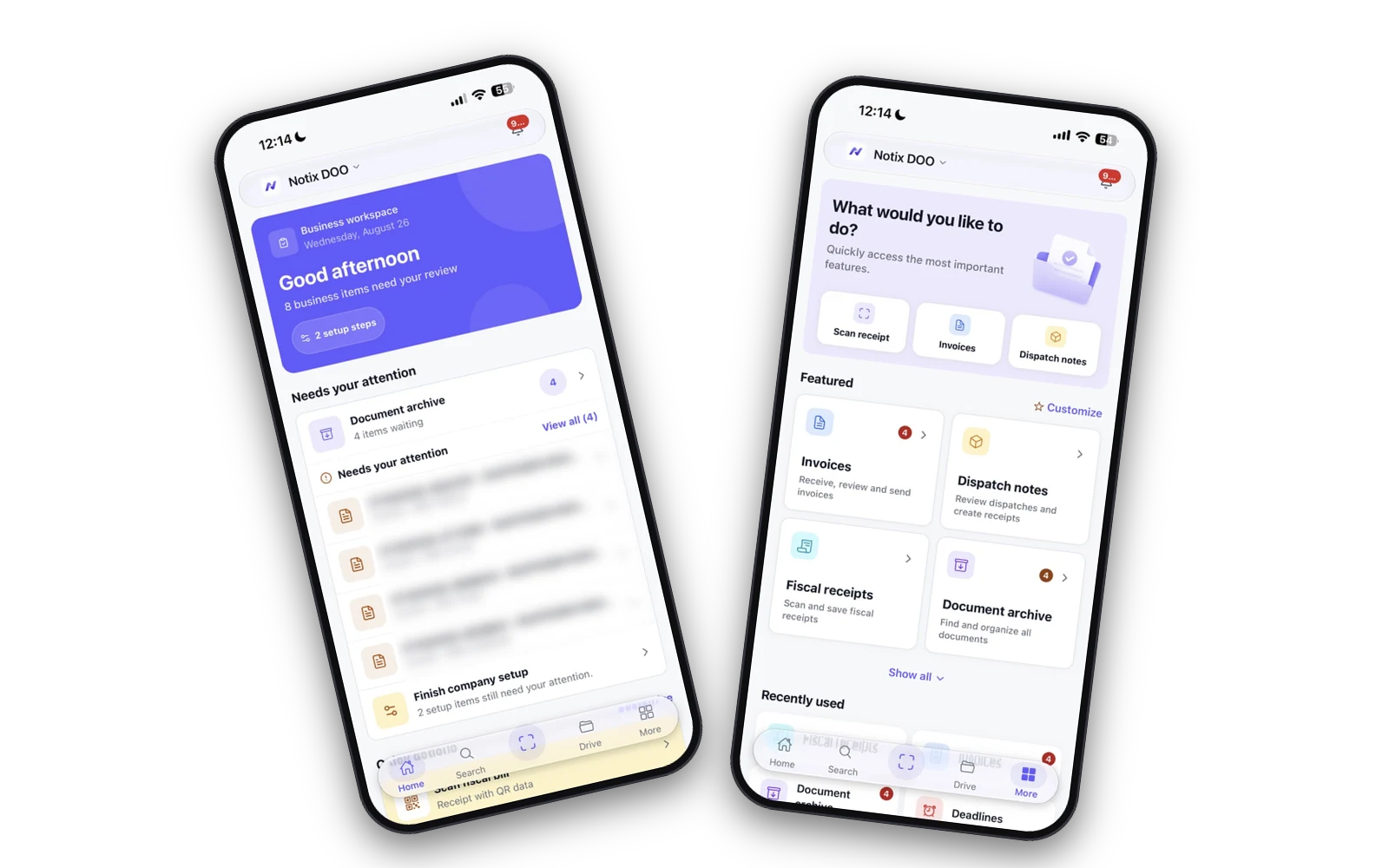
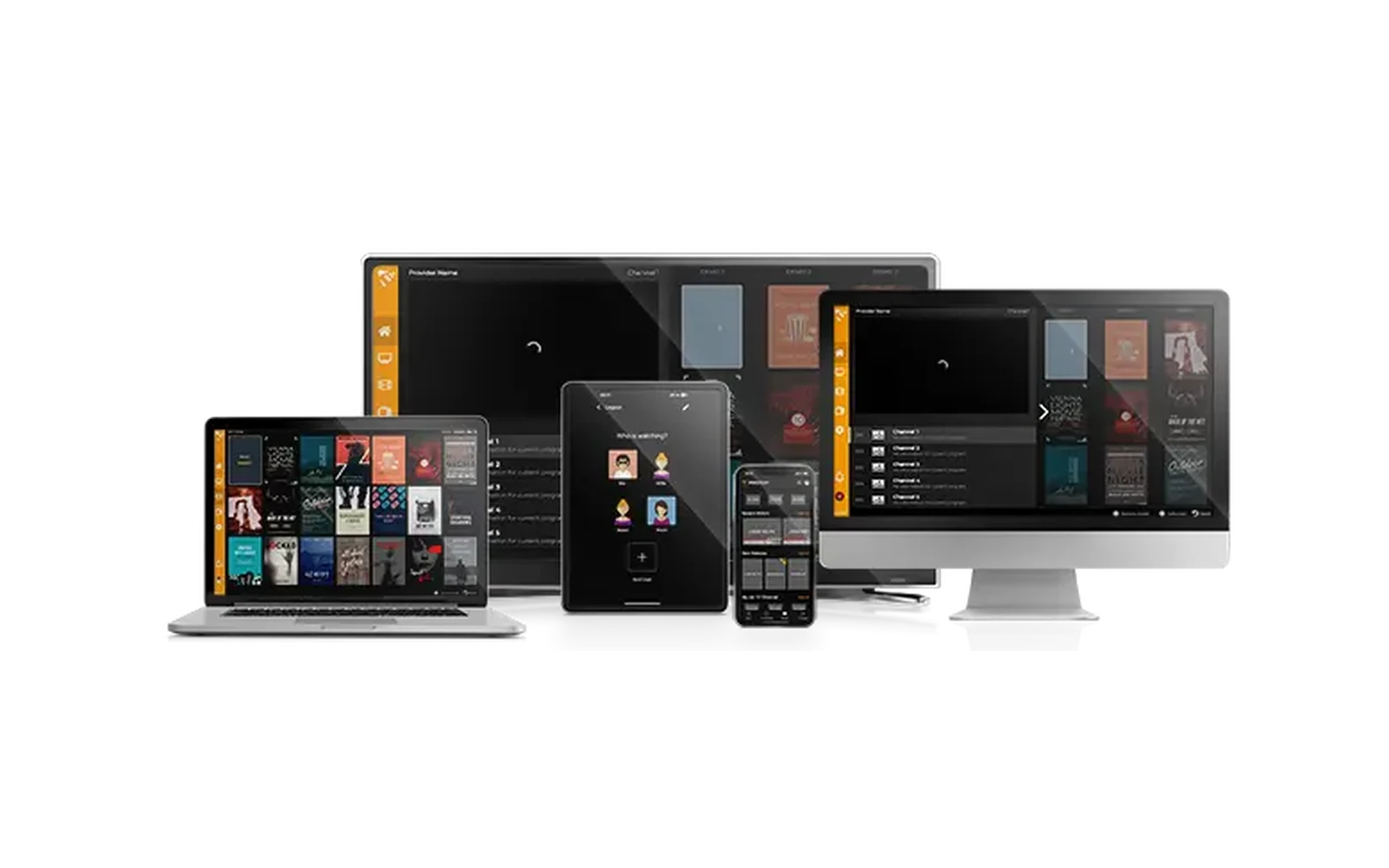
We have built mobile apps used by more than a million people. MaxPlayer, which we took from seed to launch, reached 1M+ users, and the Arhivix mobile app puts encrypted documents and e-signatures in the pockets of teams at 500+ companies.
Our cross-platform approach ships iOS and Android in parallel from one codebase, so you get native-quality apps at roughly half the cost of building each platform separately. App Store submission, push notifications, and offline support are part of the package, not a later phase.
Not sure whether to go native, cross-platform, or web? We help you decide before committing budget, using the trade-offs in our Flutter vs React Native guide and our PWA vs native comparison.
Shipping an app is the start, not the finish. We plan for store review cycles, over-the-air updates, crash monitoring, and the ongoing maintenance that keeps an app healthy across new OS versions and devices, so your launch does not quietly rot six months later. Across 50+ projects we have handled the full lifecycle, from first installable build to store updates and long-term support, and we set that up from day one rather than bolting it on afterward.
What we build
Apps we build
We build consumer apps aimed at scale, field and operations apps that keep frontline teams in sync, companion apps that extend an existing web platform to phones, and offline-first tools for places with unreliable connectivity.
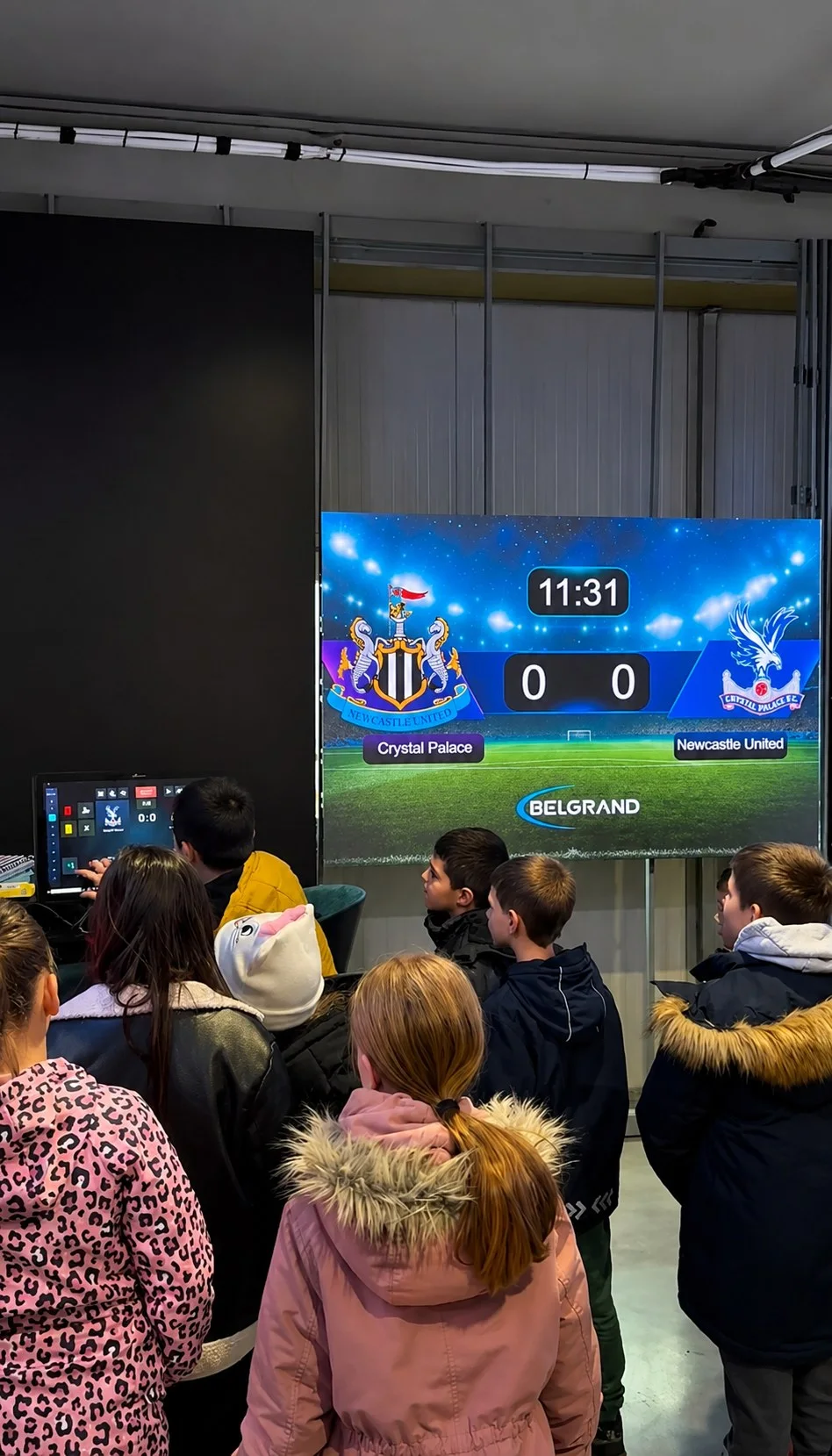
The work ranges from a real-time scoreboard controller that syncs with LED hardware, to an EU co-financed tourism app mapping protected natural areas with the Google Maps SDK, to the mobile side of our own document platform. Push notifications, real-time sync, and the native-versus-web decision are all on the table before we start building.
How we work
Discovery to delivery, in artifacts
Every mobile project runs through four phases, and each one ends in something installable or decision-ready.
Discovery
We define the platforms, offline needs, and store requirements, and choose native or cross-platform with you.
Artifact: A feature map and a fixed-price proposal.
Design
We design flows that feel native on both iOS and Android, prototyped before development starts.
Artifact: A clickable prototype for both platforms, delivered in about 48 hours for focused apps.
Development
We build one shared codebase and test on real devices every sprint, dropping to native code where needed.
Artifact: Installable TestFlight and Android builds after every sprint.
Delivery
We handle store submission, review, and launch, including compliance and store listing optimization.
Artifact: Published App Store and Google Play listings, plus release notes.
Engagement models
Ways to work with us
Every build is scoped to pay for itself, and you get a firm number after discovery rather than a vague estimate up front. Projects start at $25,000, and where you land from there depends on scope, integrations, and complexity. We publish real ranges by project type, from MVPs to enterprise platforms, in our software development cost breakdown. Three models cover almost every engagement, and we recommend the one that fits your stage and your budget.
Fixed-price MVP
Best for a validated scope you want in market fast
One price, one timeline, one working product. It suits a clear, bounded scope where you want a launchable MVP in about 6 weeks with no budget surprises. You approve the scope up front, we absorb the estimation risk, and you get production software at the end, not a throwaway prototype.
Time and materials
Best for products that will evolve as you learn
You fund a senior pod by the sprint and reprioritize the backlog every week as you learn from real users. It fits products where the scope will genuinely change, and you value the flexibility to steer over a fixed line item. You see working software every week and only pay for the work you direct.
Dedicated team
Best for a long roadmap and continuous delivery
An embedded senior team that works as an extension of yours, with the same standups, tools, and rituals as your own staff. It fits a long roadmap where you want continuity and deep product knowledge, scaling up or down as priorities shift, without the overhead of hiring in-house.
Proof
Outcomes we have shipped
A sample of what mobile development looks like in production.
Technology
How we choose the stack
One shared codebase in Flutter or React Native ships both platforms at native quality, and we drop to Swift or Kotlin when a specific feature demands platform-native code. Firebase plus REST or GraphQL APIs handle sync, authentication, and real-time features.
We choose the approach around your product, not our preferences. A content app with an existing web presence may be better served by a PWA, while a hardware-integrated or performance-critical app earns its native investment. We make that call with you before any code is written.
Our Work
Related Projects
Client Feedback
What Our Clients Say
“This system finally solved the chaos with our paperwork. All documents, invoices, and shipping docs are organized, sharing with clients is instant, and our accountant gets everything on time. We feel a real relief in our daily work.”
“I did not expect such a small team of developers to achieve these impressive results in such a short timeframe.”
“Everything was on time and without delay. Beyond the request they added some things that are very useful.”
FAQ
Common Questions
Should I build a native or cross-platform app?
It depends on your requirements. Cross-platform with Flutter or React Native offers faster development and lower cost, while native development gives peak performance and platform-specific features. We help you choose during the consultation.
Can one codebase really cover both iOS and Android?
Yes. Flutter and React Native ship both platforms in parallel from a single codebase at native quality, and we drop to Swift or Kotlin for any feature that genuinely needs platform-native code.
Do you handle app store submissions?
Yes. We handle the entire launch process, including App Store and Google Play submissions, compliance requirements, and store listing optimization for discoverability.
Do you support offline use and push notifications?
Yes. Offline-first architecture and push notifications are part of the package, along with real-time sync and background updates where your app needs them.
Can you build an app that works with my existing system?
Yes. We specialize in integrating mobile apps with existing backends, APIs, and third-party services, and we make sure data stays in sync across platforms and devices.
Would a mobile web app or PWA be a better fit?
Sometimes. If your app is content-led and tied to an existing website, a progressive web app can be the smarter, cheaper call. We weigh it honestly against native before you commit budget.
What does a mobile app cost and how long does it take?
Mobile projects start at $25,000, and a focused app can ship in weeks. Cost scales with features, integrations, and platform coverage, and our cost breakdown article shares realistic ranges.
Learn More
Related Reading
Ready to Get Started?
Book a free 30-minute consultation about your mobile apps project. We reply within 24 hours with an honest read on scope, timeline, and budget.