Web Development Services
Web apps that load in under 2 seconds
We build production web applications with React, Svelte, Next.js, and SvelteKit. Performance budgets, semantic HTML, sub-2-second loads, and SEO baked in from the first commit, not bolted on later.
Capabilities
What We Offer
- Responsive web applications
- E-commerce platforms & online stores
- Progressive Web Apps (PWA)
- Content management systems
- Landing pages & marketing sites
- Web portals & dashboards
Tech Stack
Technologies
Why Notix
Web apps that load, rank, and convert
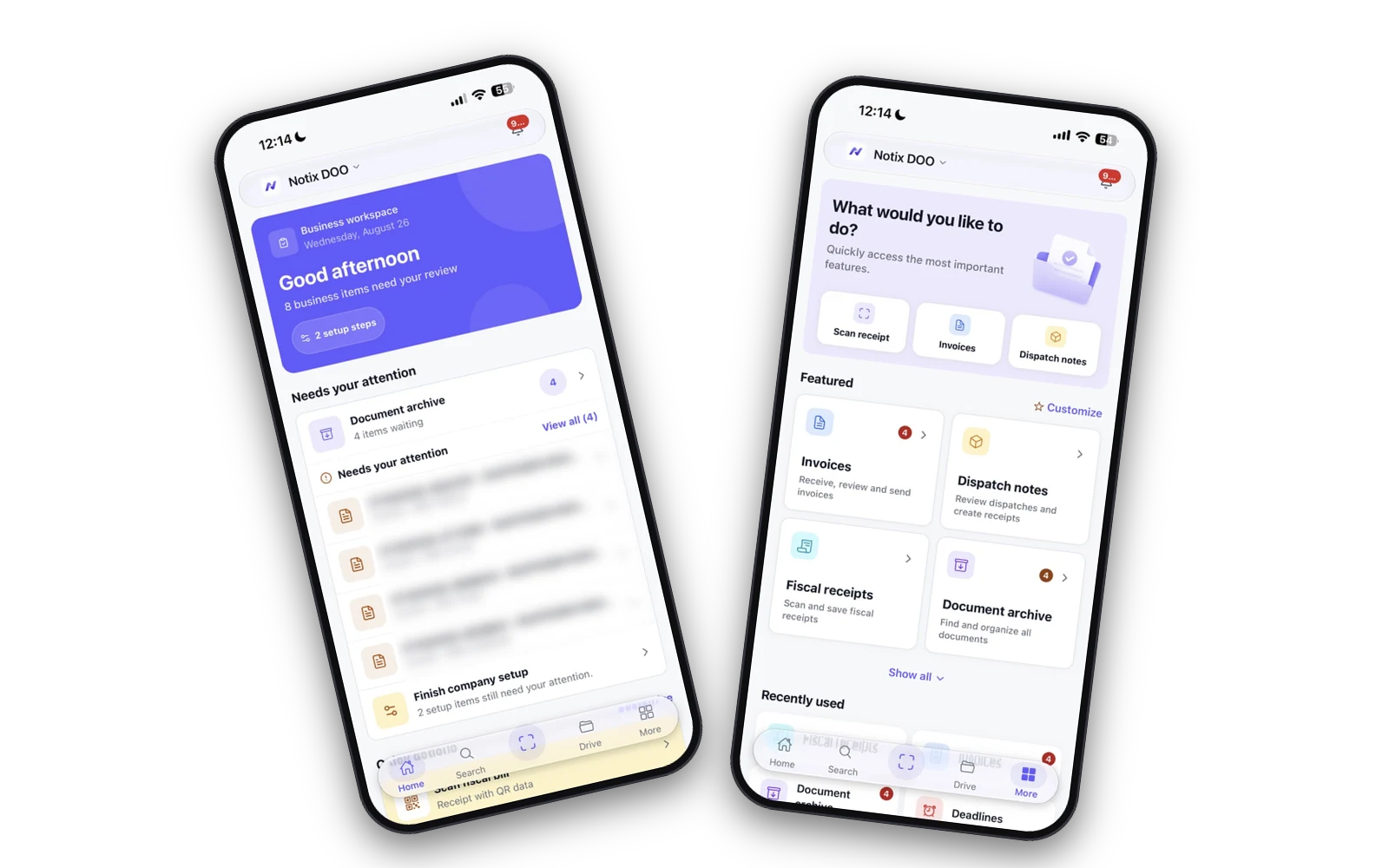
The web is where most of our client work ships, and where we proved the model on our own products: the Arhivix platform and client portal serve 500+ companies with AI search, e-signatures, and compliant archiving across two EU regions. Across 50+ projects we build web applications that are fast, findable, and built to grow.
Speed is a feature. We set a performance budget on day one and hold to it, targeting sub-2-second loads and strong Core Web Vitals on every device. The exact techniques we use are in our guide to sub-2-second load times.
SEO and accessibility are built in from the first commit, not bolted on before launch. Semantic markup, structured data, and WCAG-compliant interfaces mean your site works for search engines and for every user.
We also build for growth after launch, not just for launch day. Analytics, A/B-ready components, and a maintainable component library let your team keep shipping improvements without a rebuild. The 50+ projects behind us have taught us where web apps usually slow down, from oversized JavaScript bundles and unoptimized images to render-blocking requests and chatty APIs, and how to keep yours fast as traffic and features grow. Performance is a habit we build into the codebase, not a launch-day checkbox.
What we build
What we build on the web
On the web we build SaaS dashboards and web apps, e-commerce stores with secure checkout and customer portals, high-converting marketing sites and landing pages, content platforms and CMS-driven sites, and progressive web apps that work offline and install to the home screen.
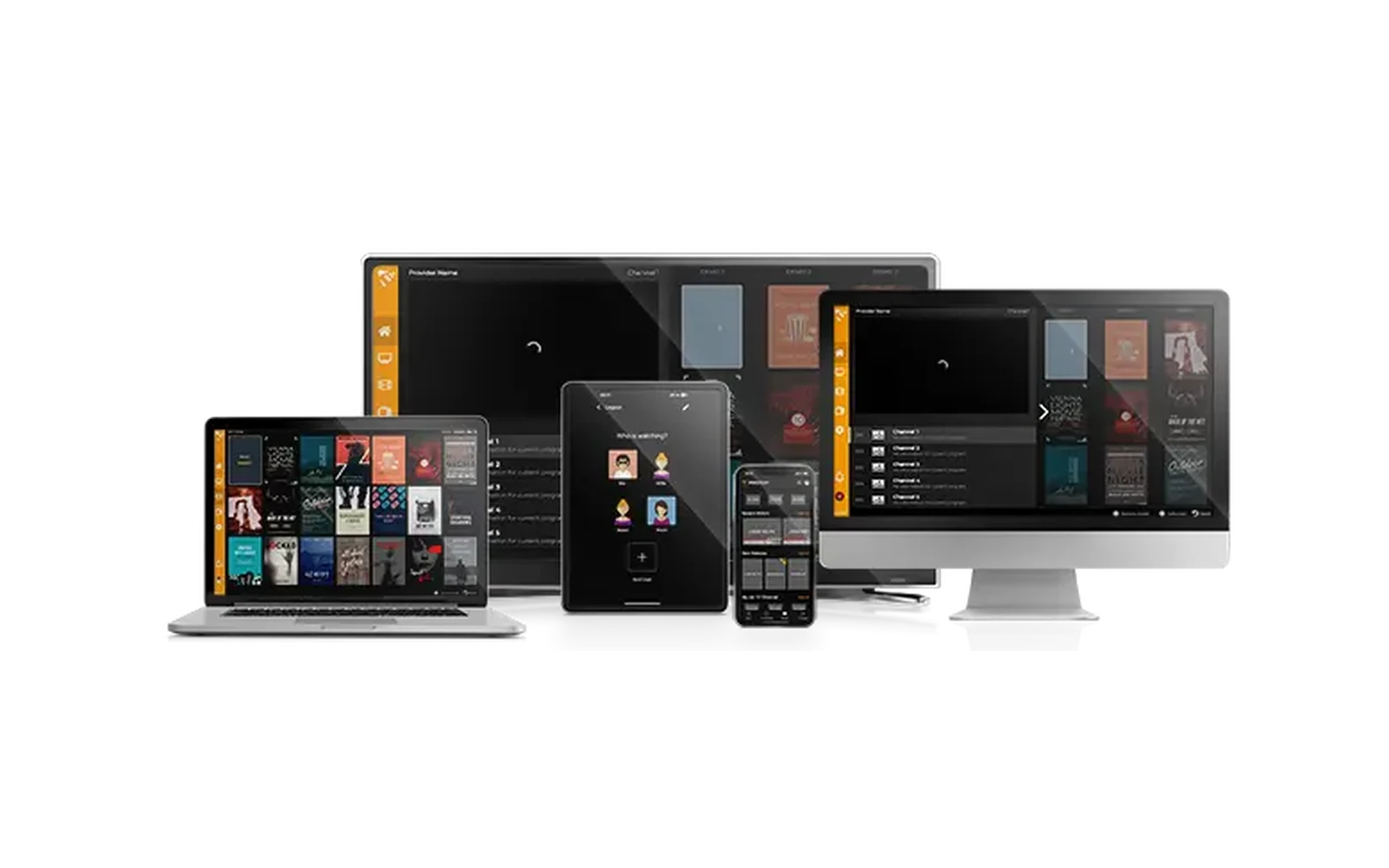
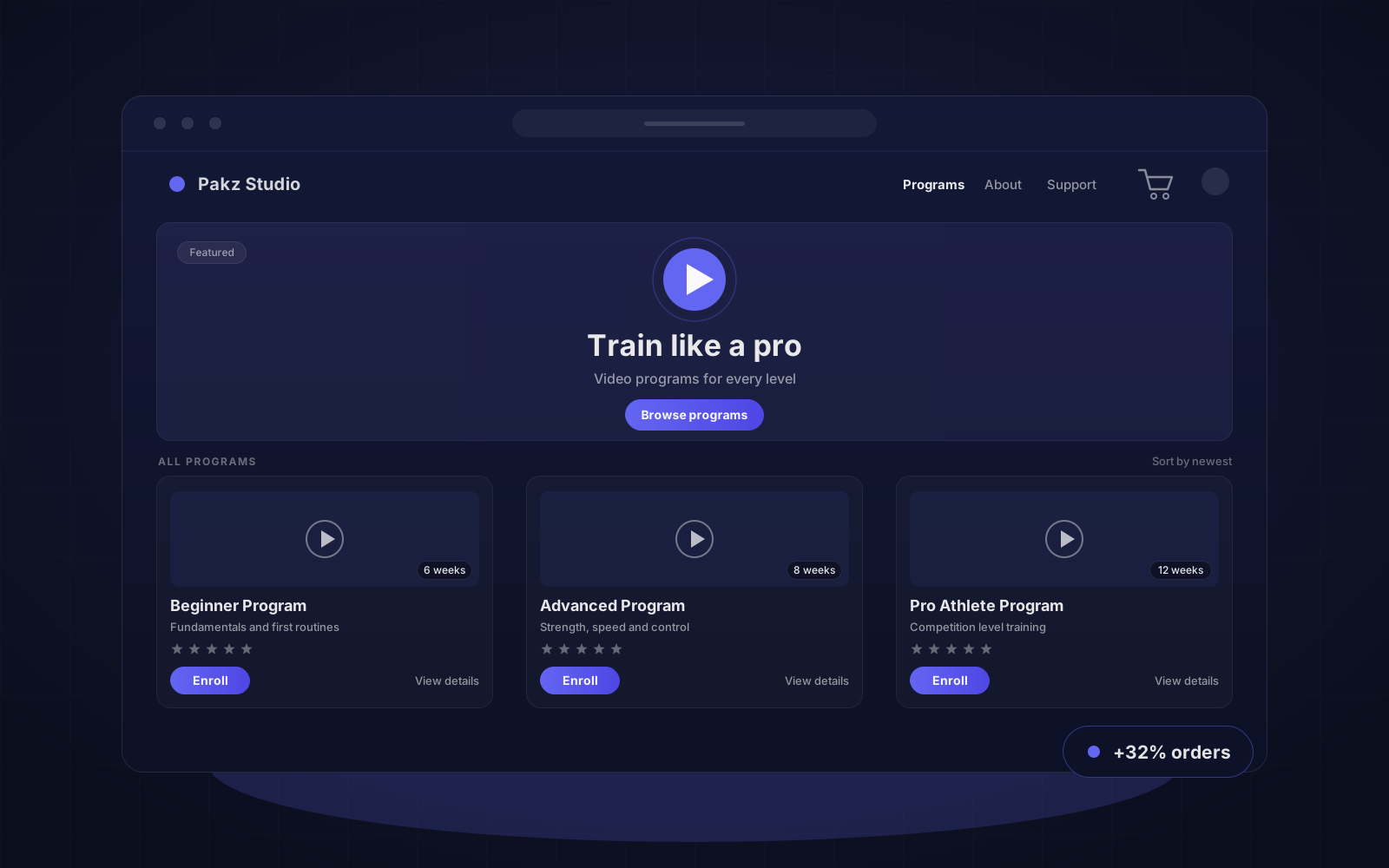
Client work spans a conversion-focused store for video training programs, an artisan home-decor storefront with EU and Canadian privacy compliance, and the client portal behind our own document platform. Whatever the surface, the same non-negotiables apply: fast load times, clean semantics for SEO, and accessible interfaces on every device.
How we work
Discovery to delivery, in artifacts
Every web project runs through four phases, and each one leaves you with something concrete.
Discovery
We define goals, audience, and the performance and SEO targets your site has to hit.
Artifact: A sitemap, a performance budget, and a fixed-price proposal.
Design
We design responsive layouts and a reusable component system, prototyped for your sign-off.
Artifact: A clickable prototype, delivered in about 48 hours for smaller builds, and design tokens.
Development
We build semantic, accessible interfaces and measure performance every sprint, not at the end.
Artifact: A preview deployment after each sprint, with Lighthouse checks attached.
Delivery
We launch, wire up analytics, and ship search-ready markup so you can grow from day one.
Artifact: A live site, structured data, and a maintenance runbook.
Engagement models
Ways to work with us
Every build is scoped to pay for itself, and you get a firm number after discovery rather than a vague estimate up front. Projects start at $25,000, and where you land from there depends on scope, integrations, and complexity. We publish real ranges by project type, from MVPs to enterprise platforms, in our software development cost breakdown. Three models cover almost every engagement, and we recommend the one that fits your stage and your budget.
Fixed-price MVP
Best for a validated scope you want in market fast
One price, one timeline, one working product. It suits a clear, bounded scope where you want a launchable MVP in about 6 weeks with no budget surprises. You approve the scope up front, we absorb the estimation risk, and you get production software at the end, not a throwaway prototype.
Time and materials
Best for products that will evolve as you learn
You fund a senior pod by the sprint and reprioritize the backlog every week as you learn from real users. It fits products where the scope will genuinely change, and you value the flexibility to steer over a fixed line item. You see working software every week and only pay for the work you direct.
Dedicated team
Best for a long roadmap and continuous delivery
An embedded senior team that works as an extension of yours, with the same standups, tools, and rituals as your own staff. It fits a long roadmap where you want continuity and deep product knowledge, scaling up or down as priorities shift, without the overhead of hiring in-house.
Proof
Outcomes we have shipped
A sample of what web development looks like in production.
Technology
How we choose the stack
We build on React and Svelte, reaching for Next.js or SvelteKit when server rendering and search visibility matter, TypeScript for safety at scale, and Tailwind CSS for a consistent design system. Node.js powers the backends.
Selling online? We help you make the honest build-or-buy call before writing code, weighing a custom platform against Shopify in our e-commerce comparison, and we design for a composable, headless architecture when catalog and content need to scale independently.
Our Work
Related Projects
Client Feedback
What Our Clients Say
“This system finally solved the chaos with our paperwork. All documents, invoices, and shipping docs are organized, sharing with clients is instant, and our accountant gets everything on time. We feel a real relief in our daily work.”
“I did not expect such a small team of developers to achieve these impressive results in such a short timeframe.”
“Their workflow was extremely well structured, time was never wasted, and each phase moved forward efficiently.”
FAQ
Common Questions
Which web technologies do you work with?
We work with modern frameworks including React, Svelte, Next.js, and SvelteKit, backed by Node.js and the right database for the job. We choose the best fit for each project rather than forcing one stack onto every client.
Will my website be optimized for search engines?
Yes. SEO is built into every web project: semantic HTML, meta tags, structured data, fast performance, and mobile-first responsive design, all in place from the first commit.
How fast will my site load?
We set a performance budget on day one and target sub-2-second loads with strong Core Web Vitals on every device. Performance is measured every sprint, not checked once before launch.
Can you redesign my existing website?
Absolutely. We regularly modernize existing sites. We audit the current experience first, then redesign, rebuild, or incrementally improve while preserving what already works.
Do you build online stores and e-commerce platforms?
Yes. We build custom storefronts and help you decide when a custom build beats a platform like Shopify, based on your catalog, margins, and growth plans rather than a blanket recommendation.
Is accessibility included?
Yes. We design and build to WCAG standards from the start, so your site works for every user. Accessible markup also tends to improve SEO and overall usability.
What does a web project cost?
Web projects start at $25,000 and scale with scope and complexity. Our cost breakdown article shares realistic ranges for marketing sites, web apps, and e-commerce platforms.
Learn More
Related Reading
Ready to Get Started?
Book a free 30-minute consultation about your web dev project. We reply within 24 hours with an honest read on scope, timeline, and budget.